
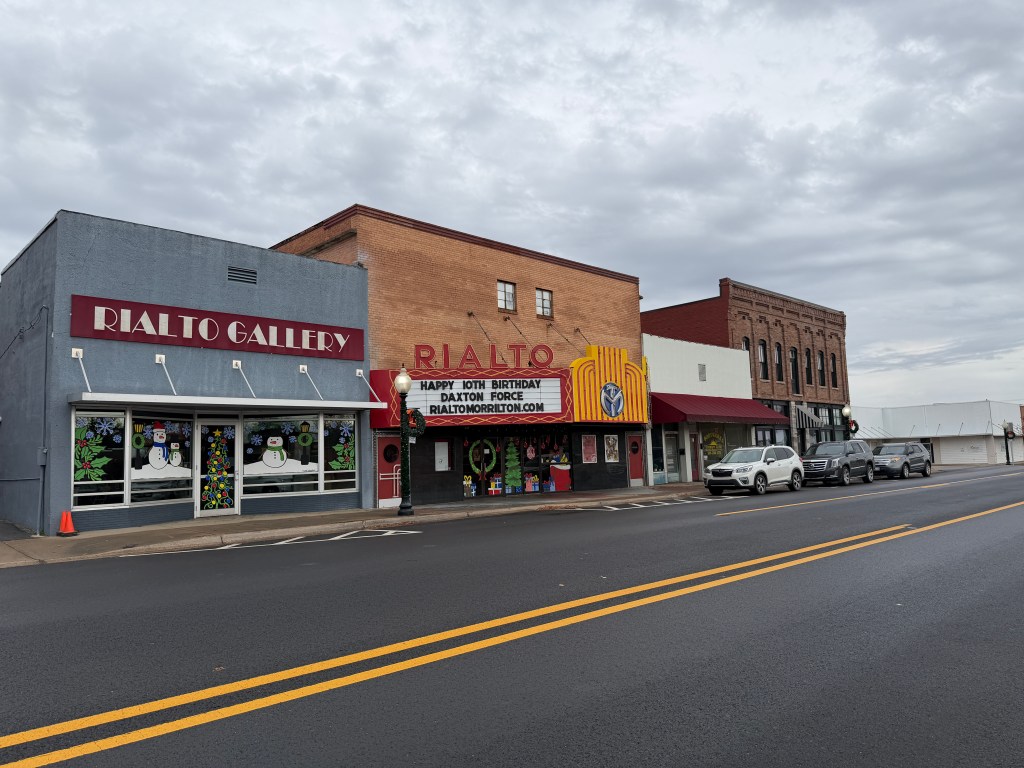
Morrilton’s Rialto Theatre first opened its doors as a movie theater back in 1911. Now, it’s a community arts center, hosting shows and events. (Photo by Will Moore Photography on Jan. 17, 2026)
The Rialto of Morrilton Refuses to Fade
For more than a century, the Rialto Theatre has stood on Main Street, watching Morrilton change around it. This small town is located about an hour outside of Little Rock, Arkansas. The building has weathered new technology and shifting tastes, but it also bears the scars of the Jim Crow era. Long before it became a community arts center, the Rialto’s blueprint was dictated by segregation laws that legally mandated the separation of races. This was made permanent in the brick and mortar through a separate side entrance that led exclusively to the balcony, the only place where Black patrons were permitted to sit.
Former director and longtime Rialto volunteer Casey Myers said the segregation-era architecture is still clearly visible today. According to Myers, Black patrons had to access the balcony through exterior stairs that still line the building. “They came up those said stairs that are there from the outside,” she said. “And there were people that would come up, y’know the police would come up, and they would take the people down and beat them.”
Myers said the segregation extended beyond seating and into violence tied to the alley behind the theater. “There were people that would come, you know, police would come up and drag people out of there and take them into the alley and beat them,” she said.
That alley, often referred to locally as “Death Alley,” carries a history that predates the theater’s current incarnation.
“They would, you know, serve food out of there and everything,” Myers said. “And they would, you know, people were killed back there because they were beggars and vagrants and homeless people and, you know, people would die back there because they drank themselves to death.”
Sharon Clarkson helps guide the Rialto’s future as a board member for the Arts Council of Conway County, but she is equally committed to acknowledging its history. Even as she manages new performances, Clarkson alludes to the era of legal segregation that once defined the theater, viewing the preservation of that history as an essential part of the building’s identity in 2026.
“I think there have been documentaries and information given out,” Clarkson said. “I don’t know that that’s something that they want to discuss necessarily. It is a touchy subject.”
Clarkson said acknowledging that history requires care. “You still have to be sensitive,” she said. “It doesn’t matter what age, because you can see racism everywhere, even today.” She said the Rialto today feels different. “Yeah, but for the most part, people seem to get along well here,” she said. “Everybody is welcome.”
The Rialto’s history stretches back even further than its days as a movie theater. According to Myers, the building served several purposes before ever showing films. “So when the Rialto was not the Rialto,” Myers said. “It first started out as the town, it was the embalmers. It was the town where the bodies were taken. The funeral home.”
Early 1900s- Funeral Home & Coffin Workshop
1920s-30s- Cafeteria/Nickelodeon
1950s- Rialto Theatre Constructed
Jim Crow era- Segregated balcony enforced
1970s- Single-screen movie house
1990s- Closure & near demolition
1995- Volunteer revival
2026- Community arts center
She said that the gallery next to the theater once served a grim but practical role. “They made furniture and they would make coffins,” Myers said.
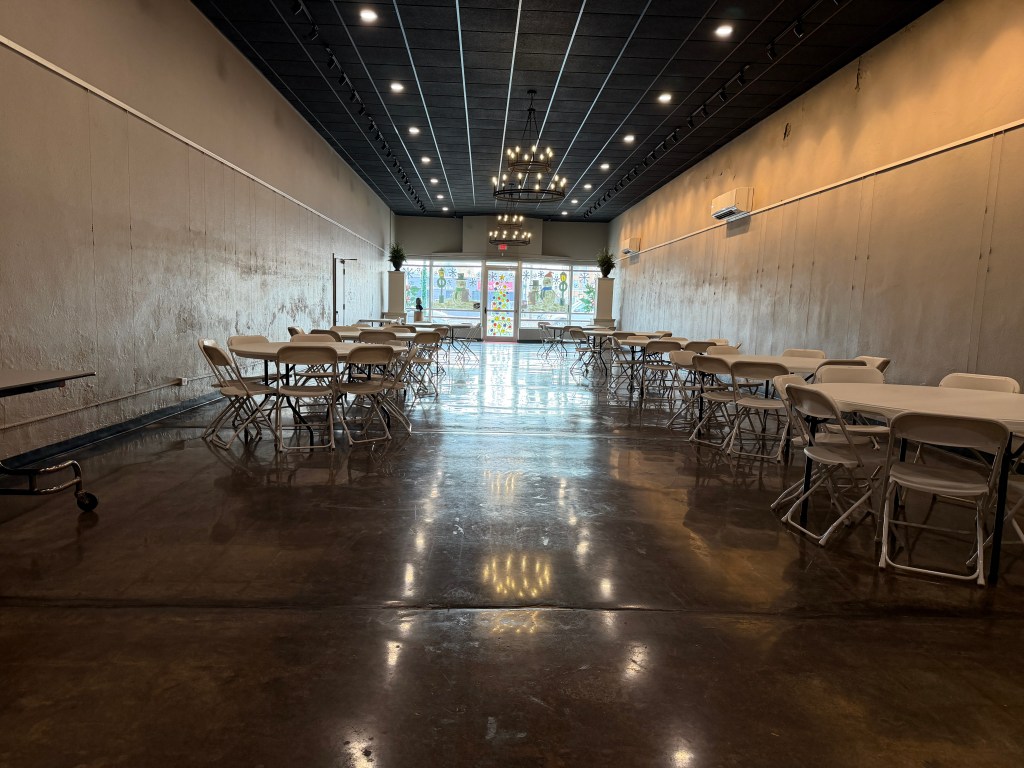
Over time, the building evolved into a cafeteria, then a small Nickelodeon-style space where children could watch short films and buy candy. “So that’s when it started becoming kind of theatrical,” Myers said.
Former Morrilton Mayor Stewart Nelson, who served the city for 16 years, said the Rialto building familiar to residents today “was constructed in the early 1950s.”
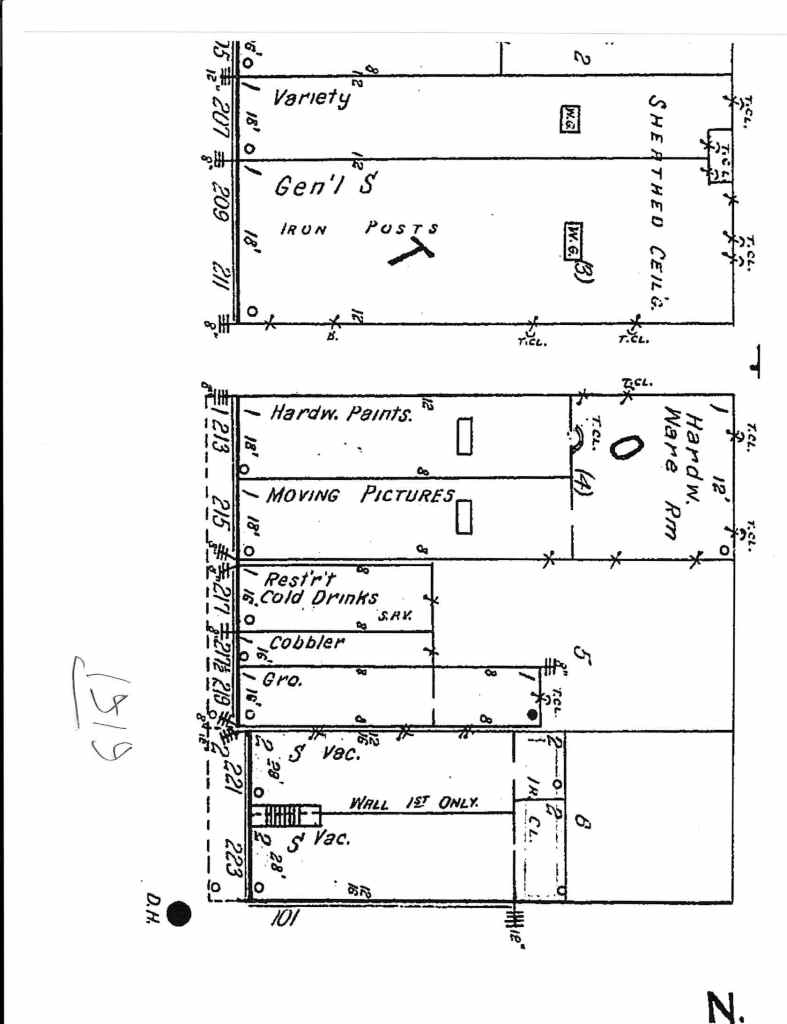
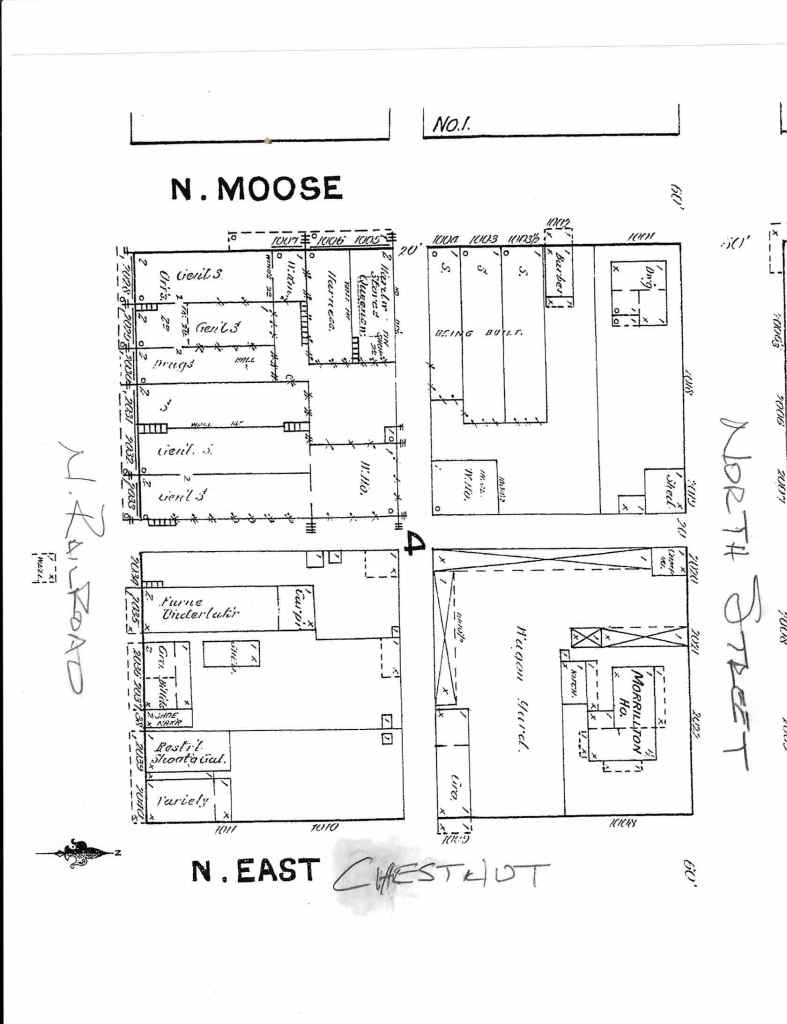
The block was a skeleton of its former self. Faded signage for Massy Hardware hung precariously to the west, while a cramped shoe repair shop anchored the eastern corner. Between them, the windows of a defunct grocery store were piled high with yellowing monitors and tangled cables.
“The block contained Massy Hardware store to the west and a show repair store to the east,” Nelson said. “There was a closed grocery store/computer junk store and a donut store on the corner all of which were in poor condition.”
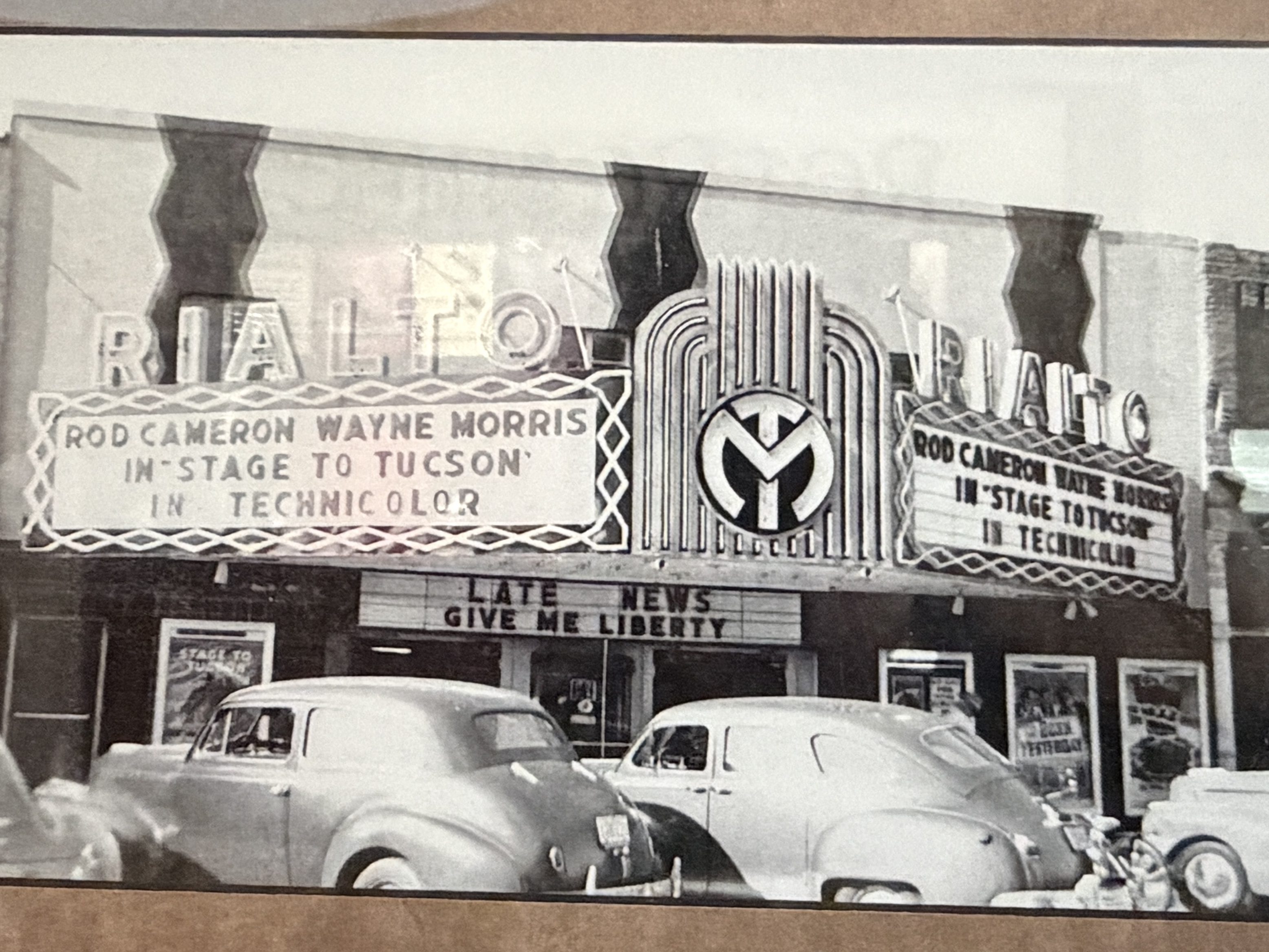
The Rialto remained active for years. “As late as the 1970s the Rialto was a gathering place for local young people to hangout on the weekend,” Nelson said. “It was a single screen movie theater showing the latest movies.”
As movie going habits changed, the Rialto struggled to adapt. “As time went by the show repair store became a secondhand store which continued for a while, then closed. The donut store closed sometime later,” Nelson said. “The attendance went down at the theater and the owners, hoping to save it, converted it to a three screen theater with the floor split into two screens and the balcony made into an additional screen.”
The effort came too late. “Not long after that the theater closed and the marquee on the front of the building fell and was hauled off by the city,” Nelson said.
By the mid-1990s, the Rialto had reached what Nelson described as its lowest point. “The owners of the building donated it to the city of Morrilton, with the idea that it would be torn down and used as a parking lot near to a church that was located in an old department store,” he said. “The building had gone down as far as it could.”
Nelson had been on the job for scarcely twenty-four hours when everything changed. On the morning of January 2, 1995, his second day in office, the quiet of his new routine was shattered.
Nelson’s second day as Mayor began with an unexpected phone call. On the morning of January 2, 1995, the Chamber of Commerce manager reached out with a plea for the old theater building, questioning why the city planned to tear it down. Curious, Nelson met him at the site. Armed only with flashlights, the two men navigated the dark, dusty interior. By the end of the tour, Nelson was convinced: the building had possibilities.
The timing was providential. A local theater group had recently been displaced from the school stage, leaving them with no venue for their programs. With a derelict building in need of a purpose and a troupe in need of a home, the path forward began to clear.
“One of the members of the group was Lindel Roberts who worked for the local South Conway School System,” he said. “I gave Lindel a call after I left the building and offered it to the group. Lindel gave me a big loud yes.”
The agreement came together quickly. “The stipulations were that the building would be repaired and used,” Nelson said. “The city would retain ownership and would offer some financial aid and would provide insurance on the structure and would give them a 50-year lease.”
“The Morrilton City Council approved the arrangement,” he said. “So except for the approval of the deal by the Council, the birth of the new Rialto was set in about two hours on the morning of January 2, 1995.”
Volunteers transformed the abandoned structure into a functioning performance space.
The transformation of the Rialto wasn’t a line item in a city budget; it was a labor of love fueled by a community that refused to let the walls crumble. As Nelson watched the progress, he realized the city alone never could have matched the sheer force of local spirit. “The amount of volunteer work and donations that went into the building was exceptional,” he noted, admitting that the city simply wouldn’t have been able to accomplish what the volunteers did.
Over the years, the Rialto’s footprint grew, swallowing up the relics of the old block. The space once occupied by the dusty hardware store was gutted and reborn as a modern event location, complete with a full kitchen. Even the backstage area evolved, with the two separate buildings now seamlessly connected by a suite of dressing rooms.
“The donut shop, which is not part of the Rialto, has been completely repaired and I believe it is going to be made into living quarters,” Nelson said.
Today, the Rialto Theatre is owned by the city of Morrilton and leased to the Conway County Arts Council for a symbolic dollar. The Arts Council remains entirely volunteer-run.
“We do a lot of the fundraising aspects of it, but we also manage what happens in the theater and what happens in that gallery,” said Kristi Strain, president of the Arts Council of Conway County. Because the organization is entirely volunteer-run, those duties often overlap; the same person hanging a new art exhibit or writing a grant proposal might spend the evening operating the microphones or working the concessions stand. “Because we’re a totally volunteer organization, a lot of us take on a lot of different roles,” Strain added.
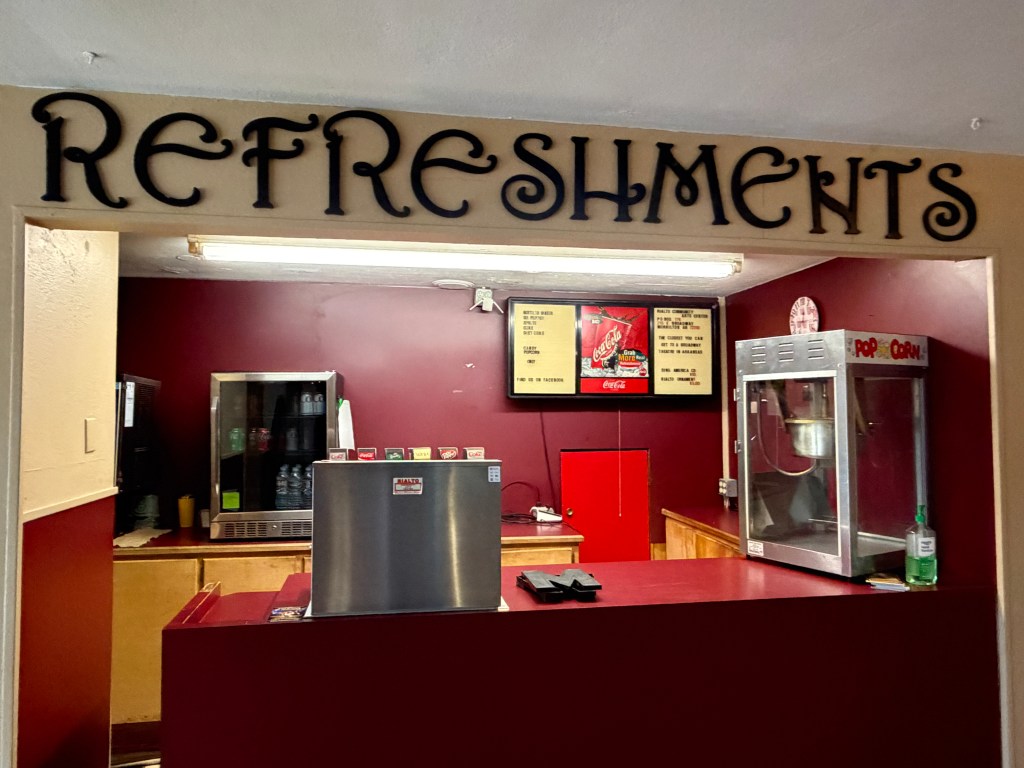
“There are a lot of people who look at this place as a second home. The Rialto was a good way to escape.” said Jesse Burgener, who has written and performed multiple original shows at the theater. For the local cast and crew, the theater is a sanctuary where they spend their Friday nights painting backdrops or gathering in the wings long after the house lights have gone down. It is a space where friendships are forged over long rehearsals and the community finds a sense of belonging that extends far beyond the stage.
Sound and acoustics remain a challenge in a building originally designed for film.
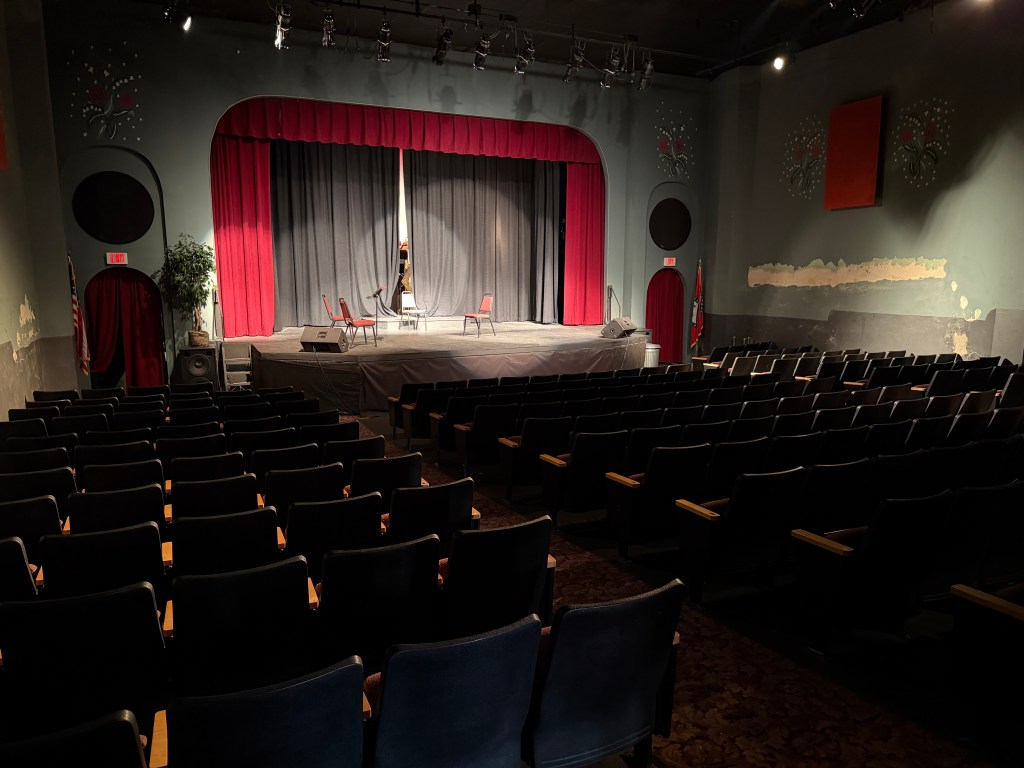
“The acoustics are really designed more for a movie theater than for a live theater,” said Bill Holt, an actor and music director at the Rialto. “So while it works pretty well in here, it’s not designed for it. The sound system has to compensate for that, and that’s easier said than done sometimes.”
The Rialto’s history as a cinema is written into its walls, often creating a hurdle for live performers. Notes that should soar can sometimes feel muffled or flat, trapped by a layout that wasn’t built for unamplified voices.
Beyond performances, Nelson said the Rialto’s revival reshaped downtown Morrilton.
The Rialto’s revival acted as a beacon for the rest of Morrilton’s downtown, sparking a chain reaction of restoration among neighbors who had long let their storefronts languish. Seeing the theater’s neon relit inspired property owners along Broadway and Commerce Streets to peel back the boards and repair their brickwork. However, the success in Morrilton also served as a bittersweet reminder for those who had already lost their history.
“The work at the theater has inspired other owners and new owners of downtown buildings to repair their buildings,” Nelson said. He noted that while local neighbors were finding new life for their spaces, visitors from other towns often looked on with regret. “Other communities have been inspired to do something with their old theaters, and some have cried because they made theirs into parking lots.”
That influence continues today. The marquee, once discarded, was later recovered and restored.
“And they actually had to get the marquee from the dump because they knew it was there. It was just sitting at the dump” Clarkson said. “And so they brought it back from the dump, had it renovated and put it back on the building.”
The theater’s marquee remains a stubborn relic of the past, resisting the glow of modern digital screens in favor of manual labor. Over the decades, the original alphabet has thinned out, leaving the council to scramble whenever a show title requires a high-frequency letter like a ‘T’ or a wide-set ‘W.’
“It’s not digital. It’s still hard done with letters that we can’t find anymore,” Kristi Strain said. “We’ve had to look to our local EAST class for Morrilton High School to help us create new letters for it. They’re doing that with a 3-D printer. That sounds crazy.”
The work behind the scenes has been extensive. Theresa Paladino, a board member with the Arts Council of Conway County who has worked at the Rialto since 1995, said the early conditions were challenging.
Volunteers like Paladino were nothing if not ambitious, determined to use every inch of the building to fundraise, even with an electrical system barely capable of handling a single lightbulb. In the early days, they set up an improvised kitchen corner intended to serve food for events.
“The kitchen area was nothing but two black cords hanging from the ceiling,” Paladino said. “We had roasters hooked up and blew out the circuit breakers, so we knew from that point on we had to have something done if we were going to run a successful event venue.” The sudden darkness served as a comical but frustrating reminder of how much work remained to transform a derelict hardware store into a functional community space.
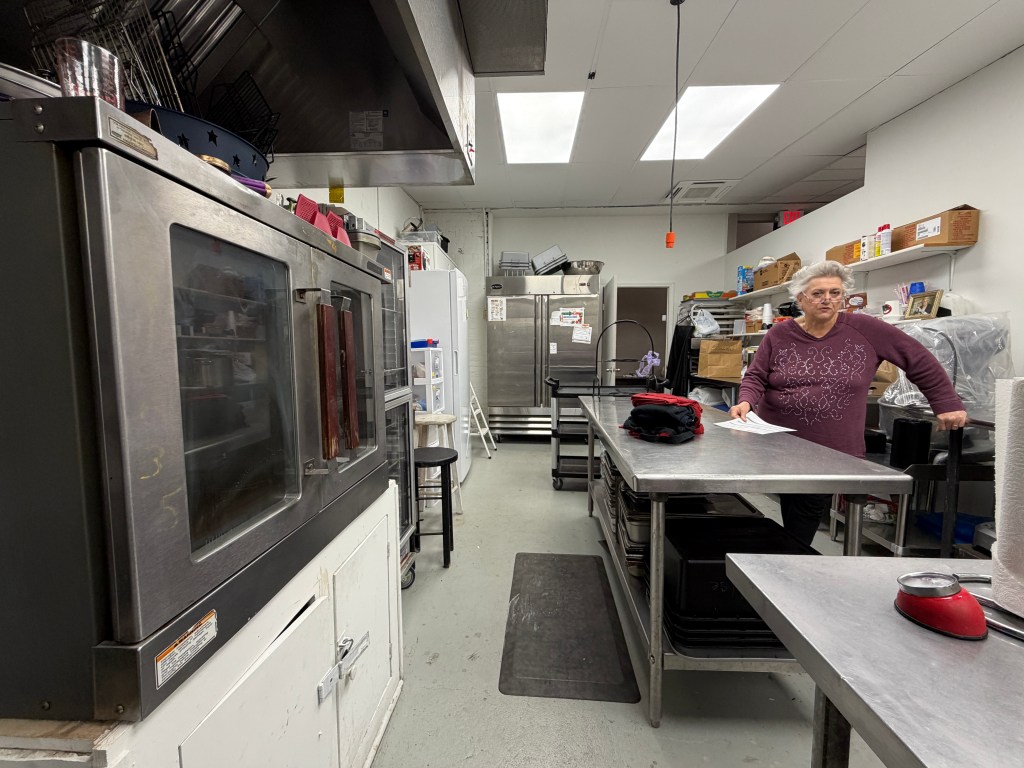
“The back area where the dressing rooms are now was a dirt floor. People do not realize that.” she said. “But when we purchased the gallery building, you would walk out to where the kitchen is now, and it was a six-foot drop to a dirt floor.”
That space has since been fully renovated, supported by grants and years of fundraising, and is now one of the most active areas of the building.
With age has come legend.
“Well, there are two children that run through there,” Clarkson said. “According to Miss Theresa, I’ve never seen them. She swears they’re there and she isn’t allowed to compliment herself at night because she swears they throw things at her.”
Myers, however, said she has experienced unexplained activity repeatedly during her years inside the building. “I’ve had the ghost play with my hair,” Myers said.
One night, she said, fear finally overtook familiarity. “The knocking started,” Myers said. “It came from the back. It came over the stage, and it got right up over the top of me while I was sitting in the front row.” She left the building and waited outside. “That’s the only time I’ve really been scared. Because it was like it knew where I was.” she said.
“Because it was like it knew where I was.” Despite the stories, Myers said the presence inside the Rialto has never felt malicious. “They’re theater ghosts,” she said. “They love the laughter.”
Clarkson remains skeptical. “And I’m from New Orleans,” she said. “I believe in my ghosts. But I haven’t seen any here.”
Despite the stories, the Rialto continues to draw people together.
“And it just brings the family, the theater family closer together with those that work not only the front of the house, but those that are on stage,” Paladino said.
“You’d see people who didn’t know each other at the beginning of a play,” Clarkson said. “And by the end they were all getting along. It’s amazing.”
Today, the Rialto Theatre remains both a preserved landmark and a working space. “This community is truly blessed to have it and to keep the doors open by everyone’s support coming out to our productions,” Paladino said. “ The Rialto is a downtown necessity. It really is.”
The Rialto was once just one link in a chain of theaters that spanned the state, most of which have long since been ground into dust and paved over. In Morrilton, the neon still hums, but it serves as more than just a landmark; it is a living defiance of the wrecking ball. This matters because a town without its history is a town without a pulse. If not for a few flickering flashlights on a cold January morning, this community would be left with nothing but an empty patch of asphalt and the memory of what used to be. The Rialto stands as proof that a city’s soul is found in its refusal to let the past be paved over.
Sources:
https://www.arkansas.com/morrilton/landmarks/rialto-community-arts-center
https://rialtomorrilton.weebly.com/about-us.html
https://www.mainstreetmorrilton.org/post/rialto-marquee-makeover
 Stage AR
Leave a comment