
Arkansas has a deeply rich history within its culture that might surprise those who discover theatres they weren’t familiar with before. What is known as “the natural state,” AR has upheld natural talent within its natural beauty. Even going all the way back to 1911, when one of Arkansas’ earliest theatres, the Rialto of Morrilton, was designed and built to cater to its segregationist racial history. The creation of The Royal Theatre of Benton, AR would follow not too long after in 1920.
Harrison, AR would join the theatrical wave of community theatres with the creation of the Lyric Theatre, officially established in 1929.
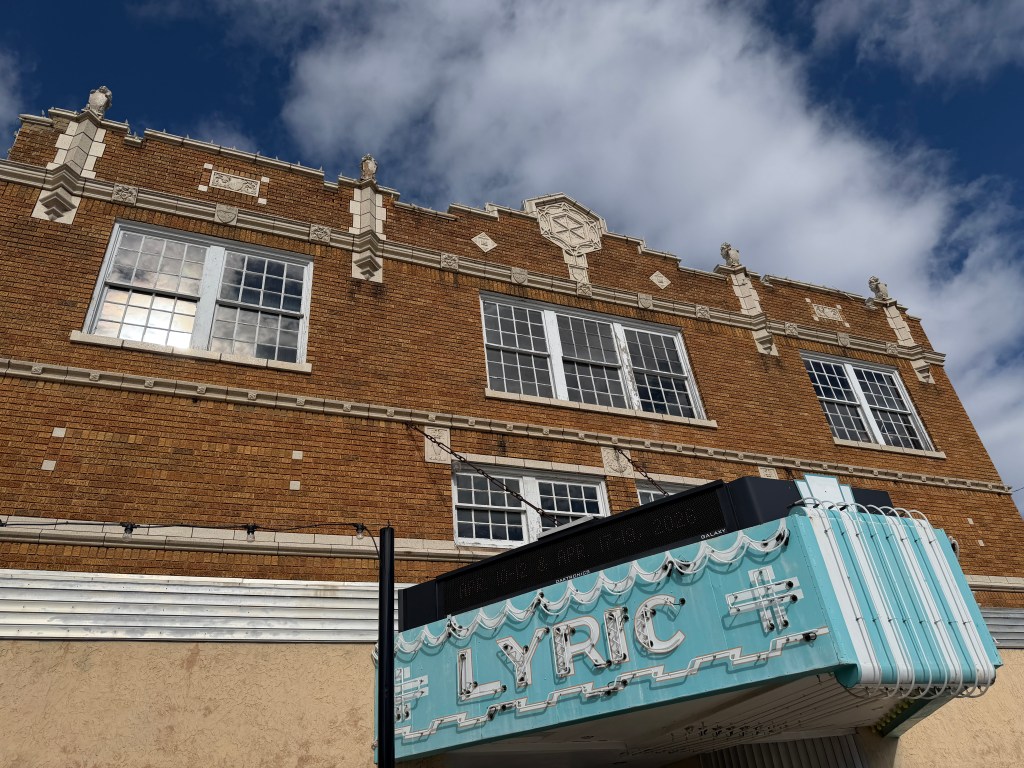
The Harrison community, located in a city surrounded by controversy, created a beautiful space that would grow and flourish over time. Juliana Hamblin, executive director of the Lyric Theatre, is making her mark on the development of this historic venue.
That early exposure turned into something much bigger over time. Hamblin’s progression reflects the same kind of growth the theatre itself has experienced since 1929.
The Robinson Theatre of Little Rock would take the stage in 1940 as one of the fanciest theatre venues to grace AR, continuing to produce traveling shows from Broadway to this current day.
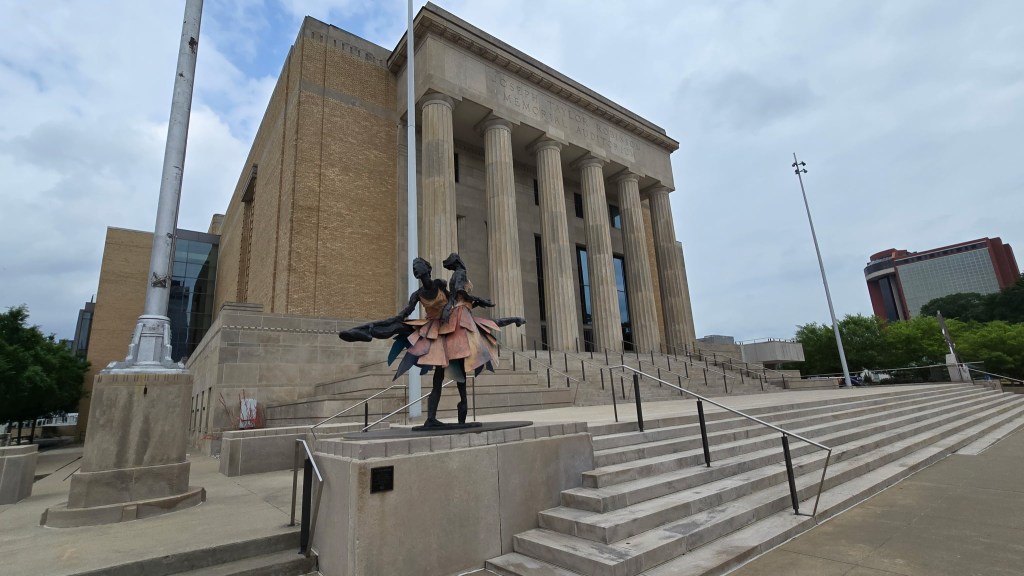
At Robinson Performance Hall, productions like national touring shows have continued to draw in audiences, with tickets often available through Celebrity Attractions, by phone, or online, showing just how accessible these performances have become over time. Deana McCormack, marketing director for Celebrity Attractions, emphasized the experience that keeps people coming back, through her work with touring productions.
McCormack explained that “a lot of what we say is what we present. And so every year it changes. It depends on what’s on the road and what is available.” That constant rotation is what keeps Robinson alive, bringing in a mix of productions that appeal to a wide audience. Unlike many theatres, the success of these performances relies heavily on audience turnout.
Fort Smith became home to one of the most deeply rooted community theatres in the state in 1947, when a simple idea at a hospital fundraiser turned into something much bigger. What started as a production organized by the Sparks Memorial Hospital’s Young Ladies Guild quickly gained traction, eventually becoming what is now known as the Fort Smith Little Theatre. Their first show drew a crowd of over 1,500 people, proving early on that there was a real demand for live theatre in the area.
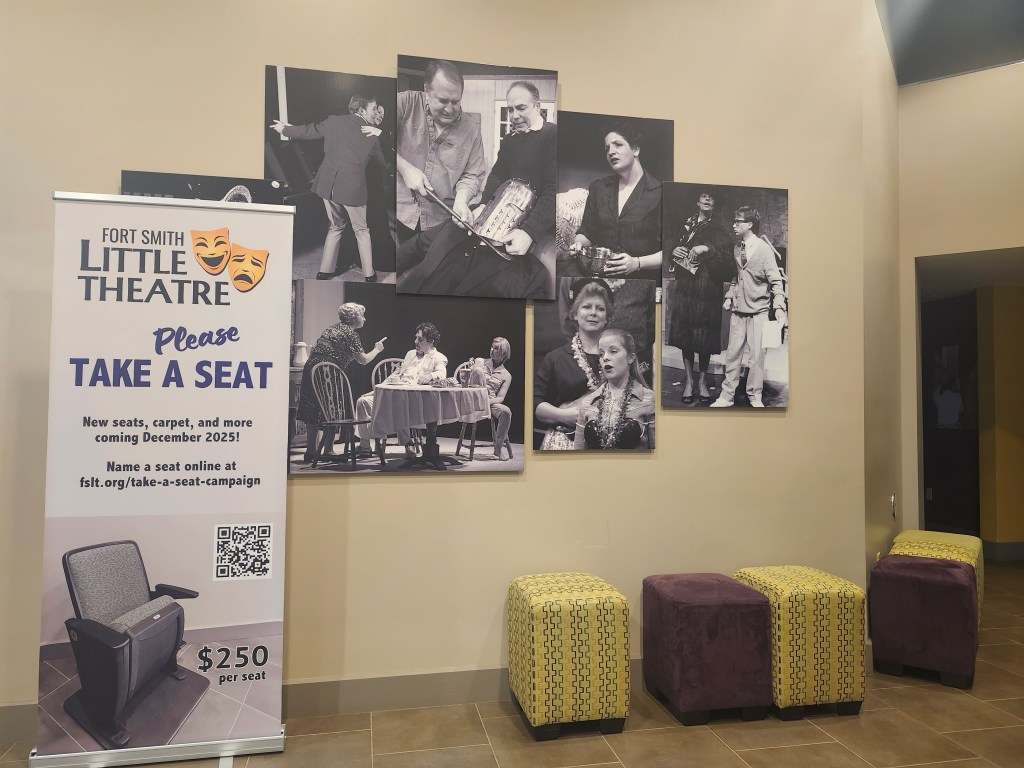
By the early 1950s, the group had outgrown borrowed spaces and took a risk by purchasing a small grocery store on North “O” Street, transforming it into their own theatre. It wasn’t a polished operation. Volunteers handled most of the renovations themselves, building a theatre in the round with limited seating and even structural poles that had to be worked into performances. But that didn’t stop them. It became part of the charm, and honestly, part of what still defines the space today.
Over time, the theatre continued to evolve, adding dressing rooms, air conditioning, and eventually expanding its productions. By the 1980s, it made another major move, relocating to a new space in Fort Smith’s Belle Grove Historic District. That transition marked a shift toward a more permanent and professional home, while still holding onto its community driven roots.
Even decades later, that same sense of dedication is still there. The theatre has gone through renovations, expansions, and even a temporary shutdown during the COVID 19 pandemic, but it continues to adapt and move forward. In 2022, it celebrated its 75th season, marking it as the oldest continuously operating community theatre in Arkansas. That kind of longevity doesn’t happen without people who keep showing up, and people like Eric Wells are a big part of that.
His involvement stretches across nearly every corner of the theatre, something that really reflects how this place runs. However, Wells didn’t even start out knowing the theatre existed.
Well’s growth within the Fort Smith Little Theatre is something that mirrors the theatre itself, constantly shifting but still grounded in the same purpose. And according to Wells, it always comes back to the people.
That same idea carries into leadership, too. Board president Joanne Peterson described her role in a way that makes it clear no one person is carrying this theatre alone.
That volunteer foundation is exactly what has kept the theatre going for decades. However, the Covid pandemic tested that sense of community more than anything. When everything shut down, the absence of live theatre became obvious.
For Wells, that same period reinforced what theatre does for people beyond just entertainment. “When you have a community theater that’s able to provide these shows that take people away from reality and that allow them to turn their brain off for about 2.5 hours,” he said, “I think is very crucial to this area.” And that impact goes both ways. The audience matters just as much as the performers.
Looking ahead, both Wells and Peterson point back to the same thing: the people. The mix of longtime volunteers and new faces is what keeps the theatre moving forward. “We have seen a wave of new faces come into this theater,” Wells said. “And that is very exciting because we want to see new faces… that assures me… this place is going to be in good hands.”
Even with all the history behind it, there’s still a clear focus on what comes next. As Peterson put it, “We want to drive new audience members in as well,” while still honoring the classics that built the theatre in the first place.
At the end of the day, the Fort Smith Little Theatre is still what it has always been: a place built by people who care enough to keep it going. As simple as that sounds, it’s the reason it has lasted this long and why it’s not slowing down anytime soon.
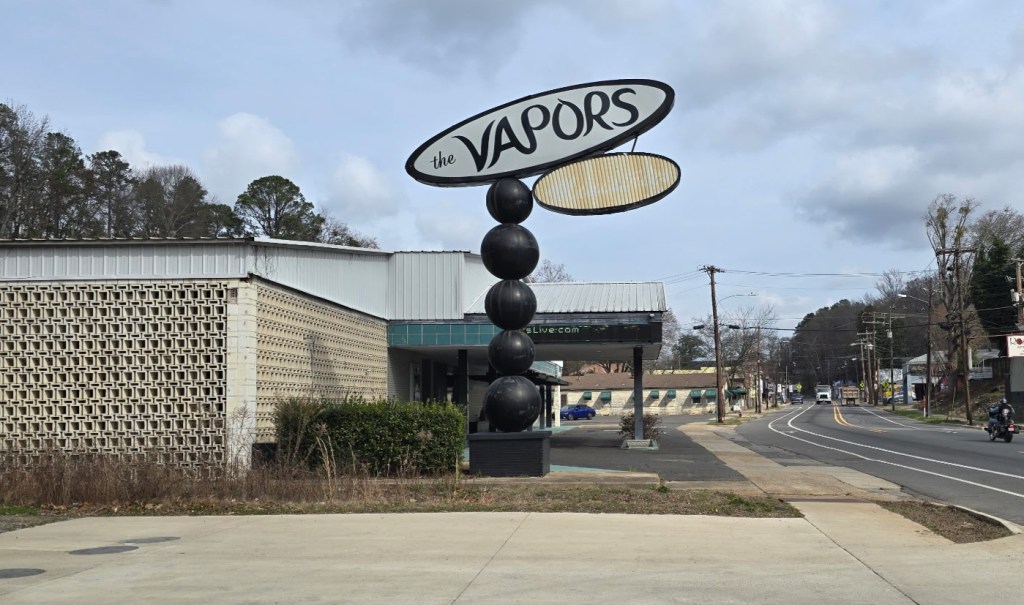
Hot Springs, a city once solely known for its hot mountain springs, managed to create two of the most unique theatres in Arkansas. The Vapors theatre of Hot Springs, founded in 1960, was formerly owned by legitimate gangsters and hosted icons such as Judy Garland and Frank Sinatra.
Al Capone, amongst many other gangsters, even inhabited this city while the Vapors theatre was successful in its prime. Their presence would cause trouble for the Vapors when one of its walls were bombed during a heated rivalry.
Decades later, in 1992, the Pocket Theatre would be created within former president Bill Clinton’s Elementary school. An original wooden desk resides in the lobby of the Pocket Theatre, preserving a piece of history that once seated the 42nd president of the United States.
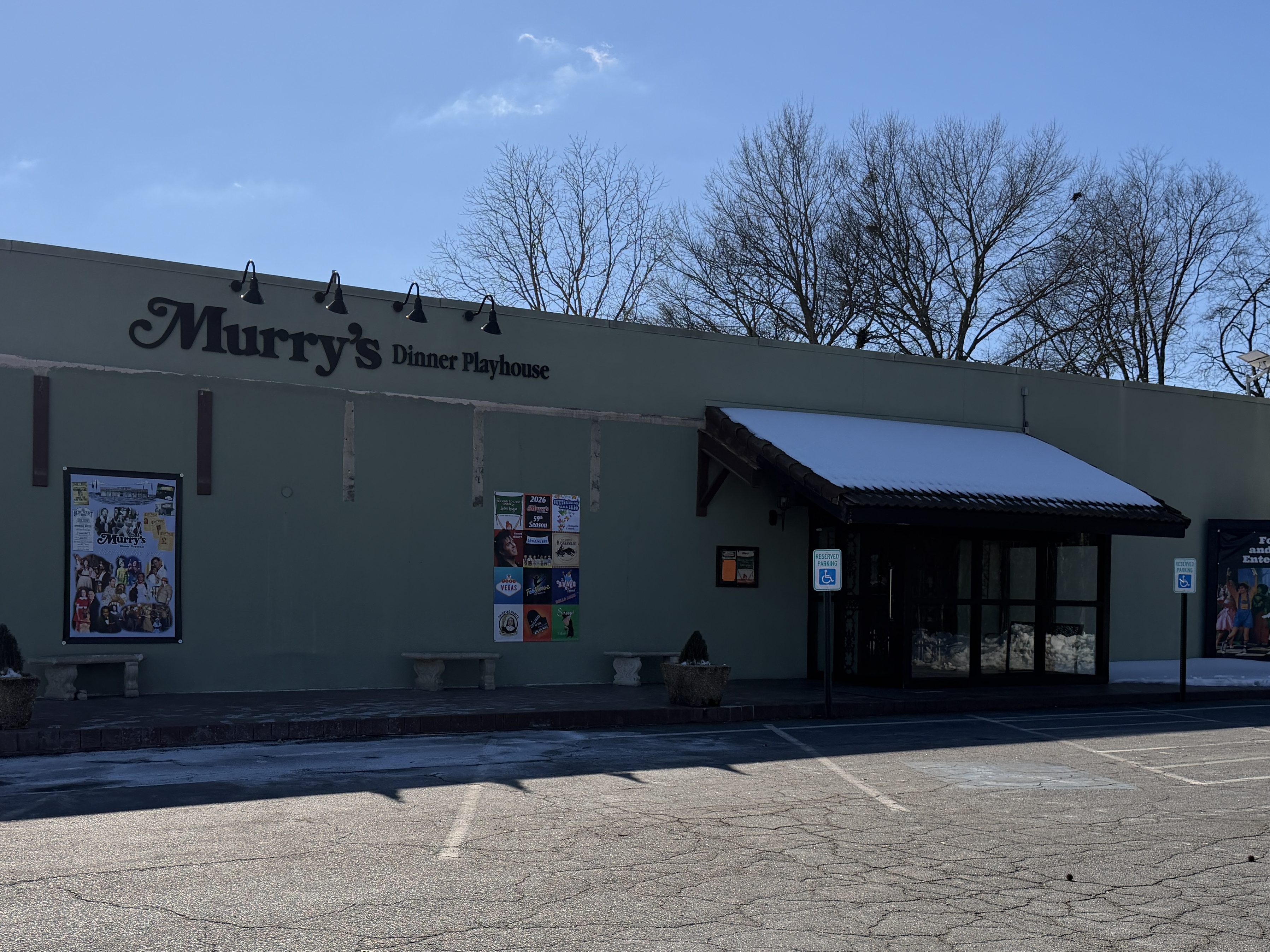
Murry’s Dinner Playhouse, an educational influential theatre would find its place within Little Rock, AR, in 1967. This professional theatre continues to provide scholarships to the theatre students at the University of Arkansas at Little Rock, greatly helping those in need.
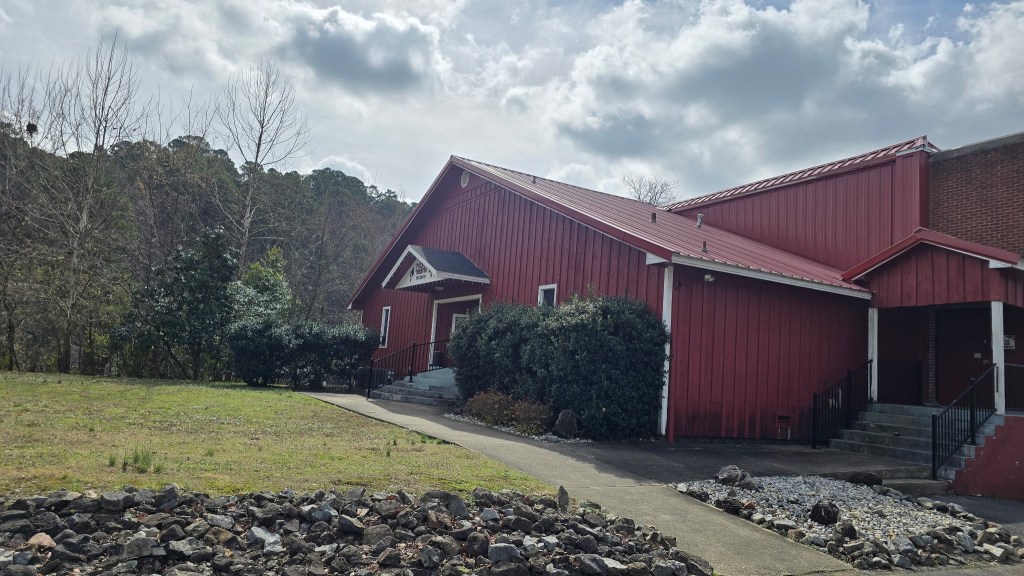
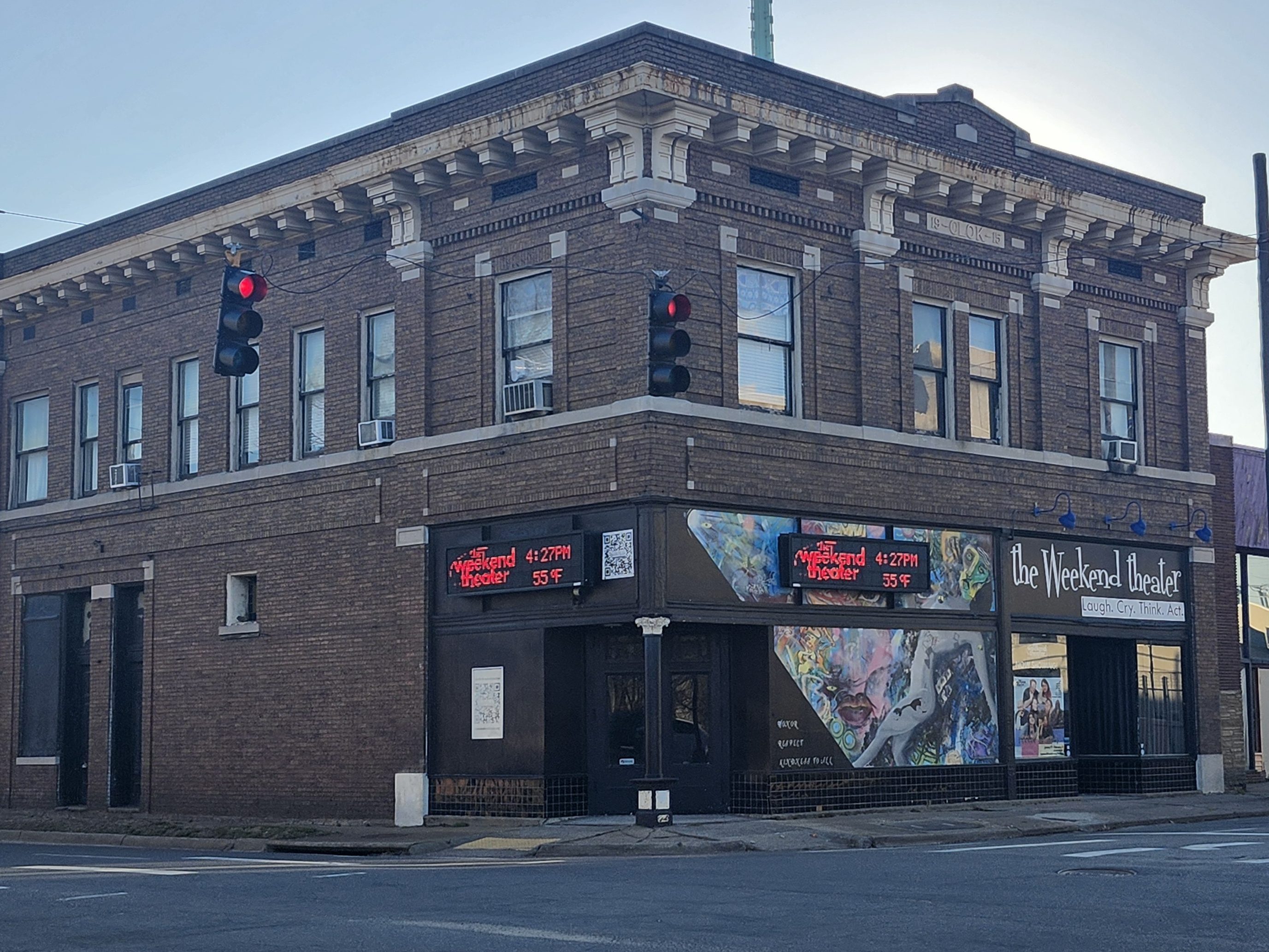
Little Rock would only continue to grow and improve within the performance world through the creation of The Weekend Theatre and Wildwood Park for the Arts, both founded in the year 1991. While 1991 is not very long ago, these theatre venues would significantly impact the theatre scene of AR in a little over three decades.
Visiting all of these venues around AR revealed that age does not define a theatre’s success. However, the amount of love and care put into a theatre defines the success it obtains today. Some theatre venues of AR may appear more modernized, while entering some theatres feels like you’re stepping back in time. Each of these theatres contain their own unique stories worth learning about and exploring.
The beauty of living in “the natural state” is that it has maintained its natural talent from border to border. One day, these theatres might not exist, but by pursuing the historical theatrical gems within your community, the legacy of those theatres lives on.


Leave a Reply