
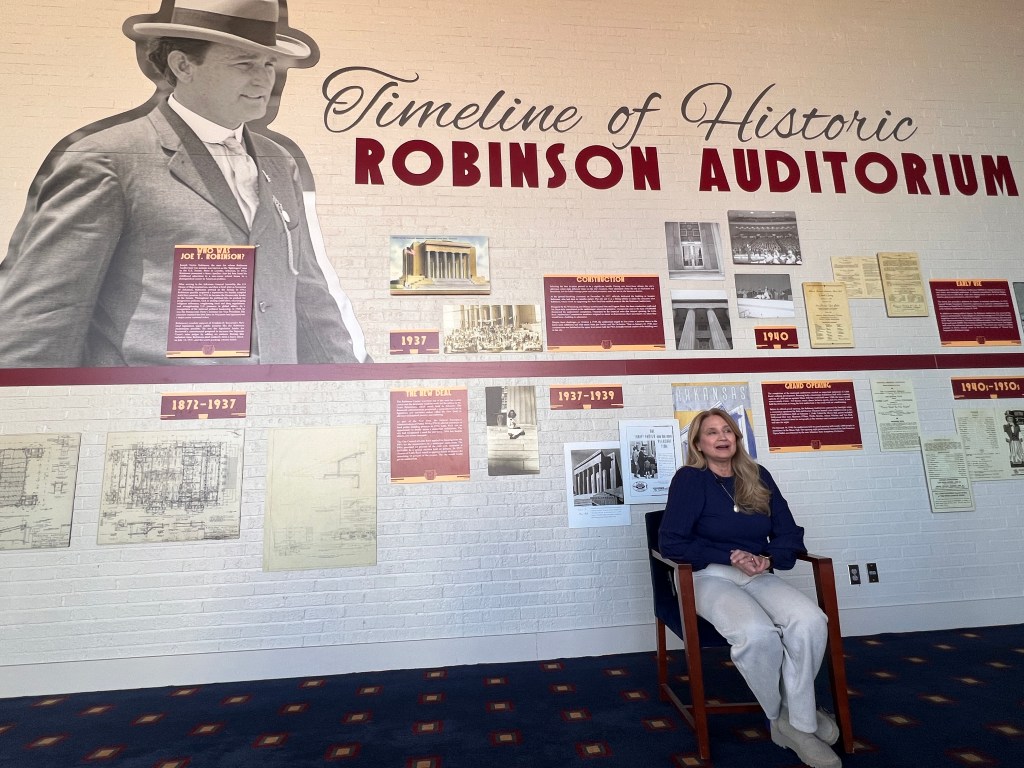
In Arkansas, a few theaters have figured out something that many arts organizations struggle with how to stay financially strong without losing their identity. Places like Murry’s Dinner Playhouse, the Robinson Center, and Wildwood Park for the Arts don’t all operate the same way, but each one has built a system that works for them. Their success isn’t accidental. It comes from a mix of smart operations, steady support, and a clear understanding of what their audience wants.
Murry’s Dinner Playhouse has been around long enough to prove that consistency matters. Since the late 1960s, it has stuck with a format that feels familiar but still works pairing a full buffet meal with a live stage production. That combination makes the experience feel bigger than just going to a show. People come for the entire evening, not just the performance, and that built in appeal helps keep ticket sales steady.
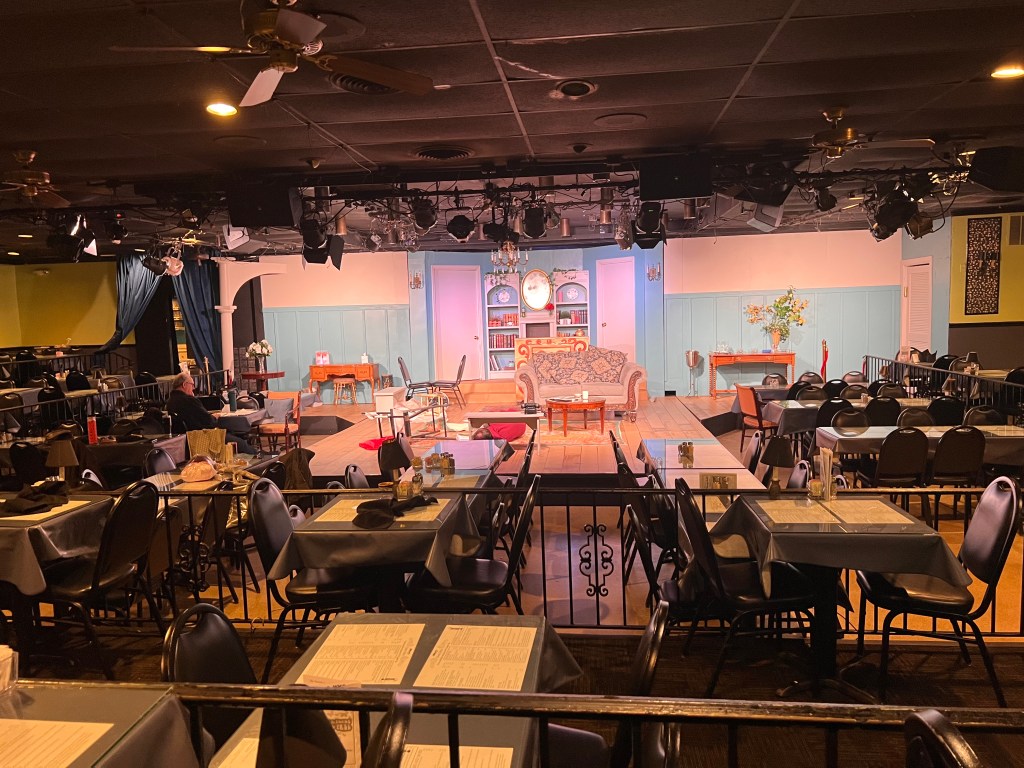
That same format is also what makes Murry’s stand out. It’s not just dinner or just theater, but it is both at once. As longtime Murry’s director and actor Don Bollinger explains, everything is happening in the same room, which adds another layer to how productions are run.
Even with that challenge, the theater has stayed remarkably consistent, and a lot of that comes from how it’s run. It’s still family-owned, which gives it a sense of continuity you don’t always see in arts organizations. That stability carries over into the productions themselves. Bollinger points out that the actors they’ve recruited maintains a consistent level of quality.
That steady audience support is important, but it also extends to the performers who cycle through the theater. While many actors are local regulars, Murry’s has also brought in a mix of regional and nationally known talent over the years. After about a decade, the theater moved away from its Old West theme and shifted into a more contemporary space centered on the dinner-and-show format it still uses today.
In that transition, it continued building a reputation for blending familiar performers with recognizable names, including Natalie Canerday, a Russellville native and Screen Actors Guild Award–nominated actress known for her roles in Sling Blade and October Sky, who has appeared in multiple productions at Murry’s.
Over time, regulars start to recognize performers and feel connected to them. “Once they see an actor once or twice, they will feel like they know that person,” he says, which is a big part of what keeps people coming back. That connection is something performers experience just as strongly behind the scenes. As Canerday said while describing life at the theater, “I was still living here in little Rock, basically eight months, a year…here Monday to Friday…all the time.”
The theater is still run by the Murry family, which gives it a sense of continuity you don’t always see in arts organizations. That stability shows in how it operates. Productions are carefully planned, rehearsals are efficient, and shows are chosen to appeal to a wide audience. Most of the lineup leans toward well known musicals and comedies, which makes it easier to draw consistent crowds. At the same time, the theater brings in a mix of local performers and experienced actors, keeping the quality high without losing its community feel.
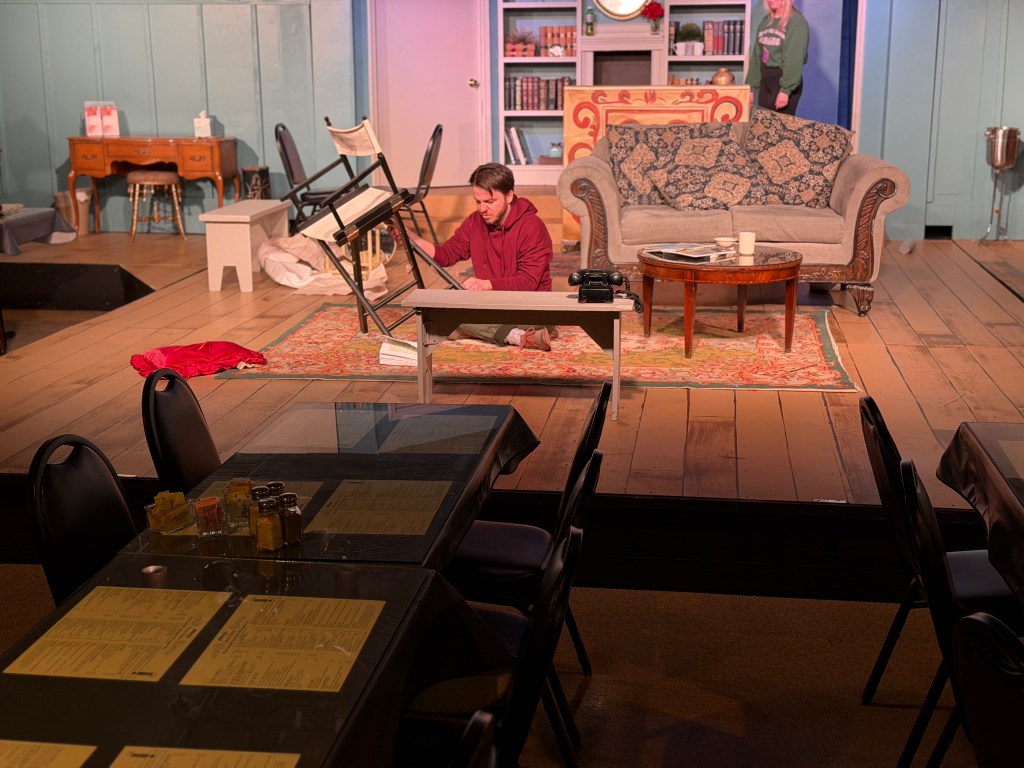
At the same time, the theater still makes practical choices to keep things running. Shows are selected with a broad audience in mind, and most of the lineup leans toward well-known musicals and comedies. It’s a balance between keeping things fresh and not straying too far from what works. Even as styles and audiences have shifted over the years, the core idea hasn’t changed. As Bollinger puts it, people come in “expecting a good time…and I think that’s what brings them back.”
Behind that consistency, there’s also a reality that not everything always goes smoothly. Canerday explains one moment where she was injured right before going on stage.
That ability to keep going no matter what is part of what keeps productions running night after night. Even accidents become part of the story. In another performance, Canerday described slipping mid-scene and sliding toward the audience, saying she could see “six sets of eyes going like” before stopping herself just in time. Moments like that highlight how unpredictable live theater can be, but also how experienced performers manage to push through it.
That steady audience support is important, but it’s not the only thing keeping Murry’s going. Its connection to the National Dinner Theatre Association helps position it within a larger professional network, and its scholarship program for University of Arkansas at Little Rock students keeps it tied to emerging talent. That kind of investment builds long term support while also strengthening its reputation.
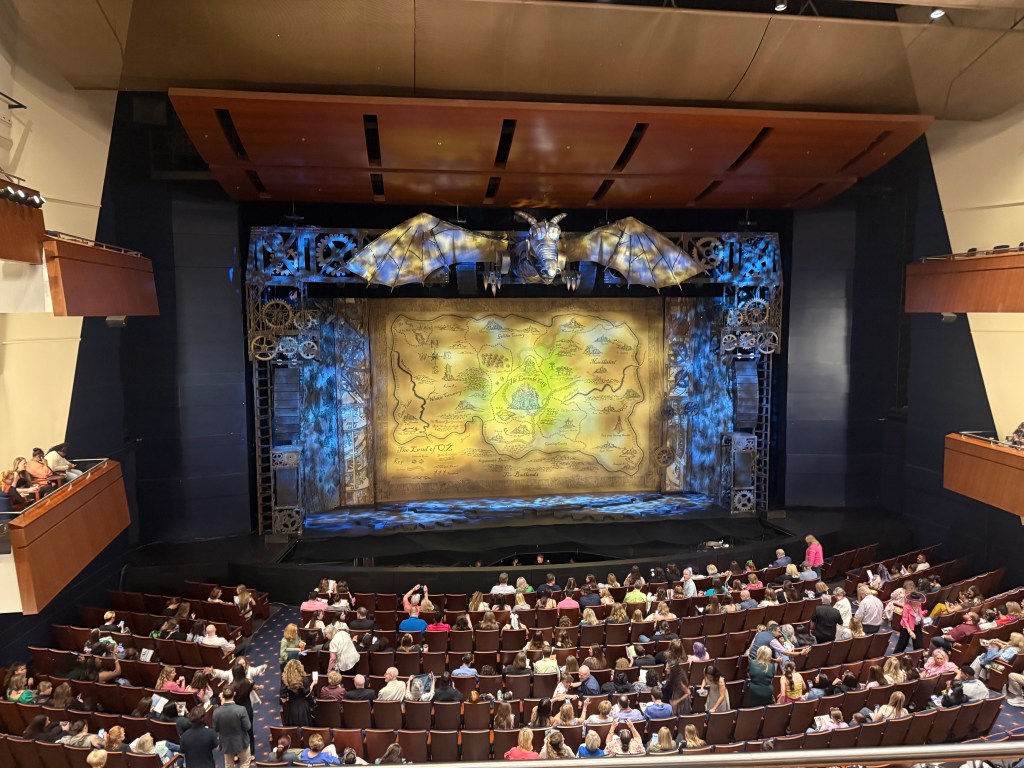
While Murry’s relies on consistency, the Robinson Center works in almost the opposite way. It operates on a completely different level, both in size and in structure. It’s not just a theater. It’s part of the city’s larger event and convention system, which changes how it makes money. Instead of relying only on performances, it brings in revenue through conferences, rentals, and large scale events in addition to touring shows.
Because of that, a lot of its success comes down to flexibility. Much of the work happens behind the scenes through promoters like Deana McCormack, Marketing Director for Little Rock at Celebrity Attractions, who helps bring Broadway tours into the venue. Her role is constantly shifting depending on what’s available. Reaching those audiences has also changed over time. Marketing looks very different than it used to, which directly affects turnout.
And even when the right show is booked and promoted well, timing can still make a difference. In a city like Little Rock, where there’s always something else happening, McCormack explains, even small scheduling conflicts can impact ticket sales.
That’s part of why the Robinson Center leans on more than just ticket revenue. It benefits heavily from public funding and city partnerships, which help keep operations steady. Its connection to the Little Rock Convention and Visitors Bureau plays a big role in attracting large-scale productions that might not otherwise stop in Arkansas.
Recent renovations also play a big part in its success. By upgrading the performance hall, expanding the lobby, and improving technical capabilities, the center has made itself more competitive. Touring Broadway shows, concerts, and large events are more likely to choose a venue that can meet modern production standards. That translates directly into higher attendance and stronger revenue.
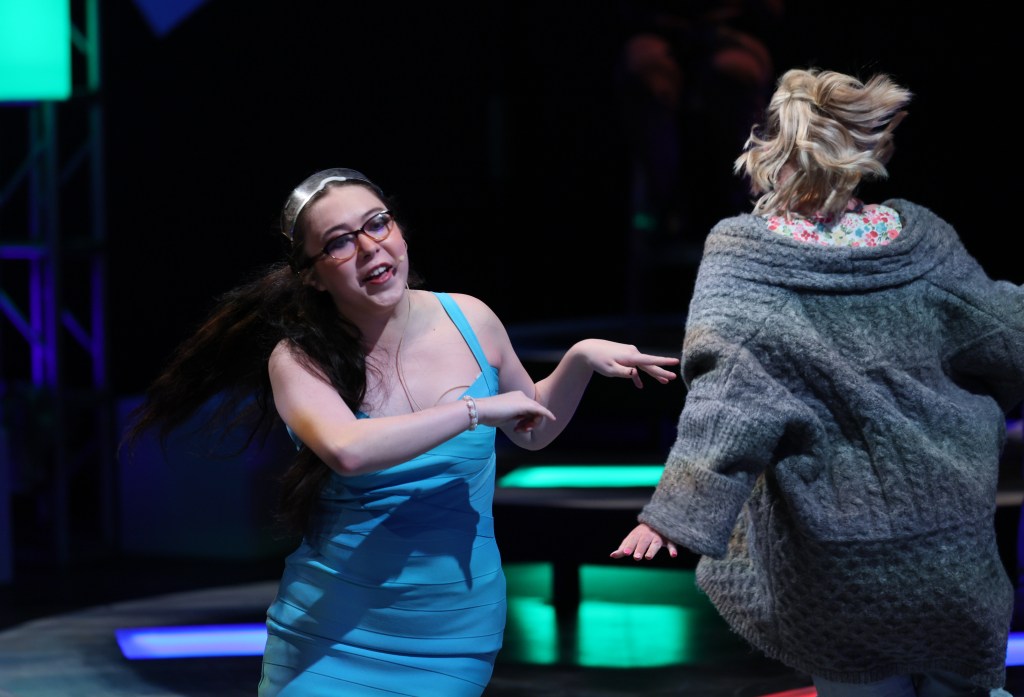
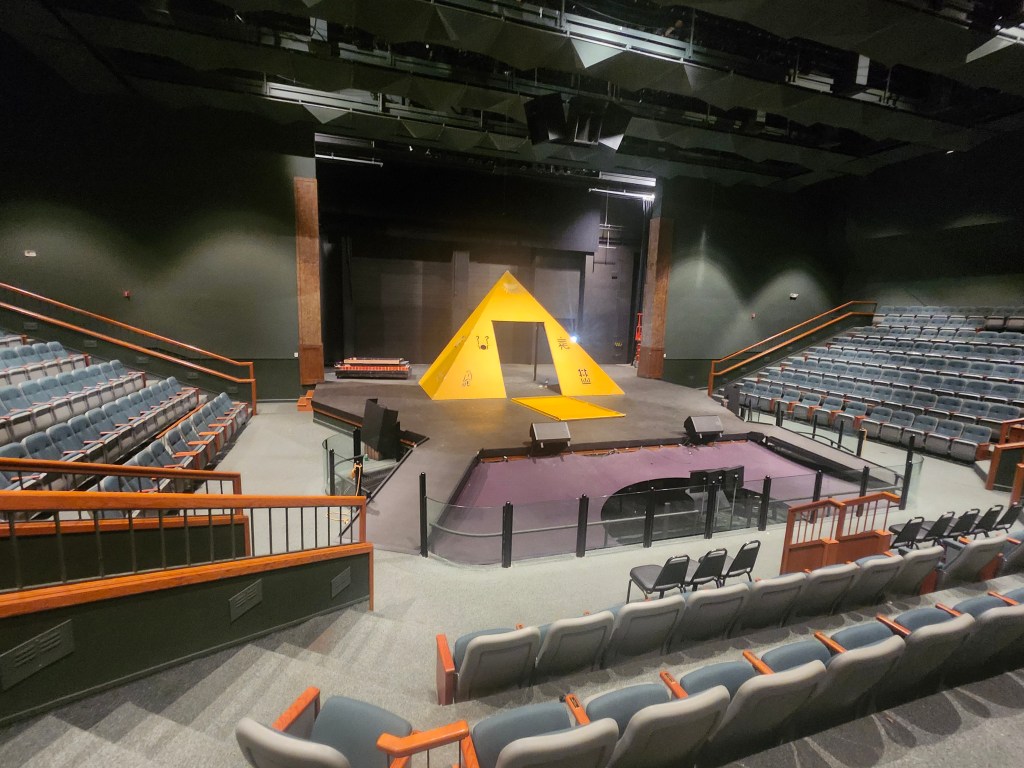
Compared to both Murry’s and the Robinson Center, Wildwood Park for the Arts takes a more community-driven approach. As a nonprofit, it depends less on ticket sales alone and more on a network of donors, grants, and partnerships. Support from organizations like the Arkansas Arts Council and the Arkansas Community Foundation helps sustain its programming, while individual donors and sponsors fill in the gaps. As Director of Communications Christina Munoz puts it, her job is to spread the word about what Wildwood Park for the arts is.
What makes Wildwood unique is how much it offers beyond traditional theater. The space itself is a draw, with gardens, walking trails, and a large outdoor setting that people can visit even when there isn’t a performance. That’s intentional. As Executive Director Bevan Keating explains that it feels more like a community space than just a traditional theater.
Munoz says one of the biggest misconceptions is how people define it. The most frequent questions are: Is it a Theatre? Is it Nature? The thing is, Wildwood Park for the Arts is made up of those elements, which beautifully intertwine.
That idea carries into its programming too. Education plays a big role, with camps and classes that keep younger audiences involved. Instead of focusing only on current ticket buyers, Wildwood is constantly building future ones. “We sometimes fill those gaps for kids who really want to be in the arts but maybe aren’t getting everything they need in the school system, ” Keating says. And for those students, it’s about more than just learning skills.
Munoz adds to that sense of purpose, saying, “What we’re doing here really does matter and really does change lives.” Over time, that kind of impact adds up. At the same time, Wildwood is also growing into a bigger role in the area. With West Little Rock expanding, Bevans explains that it’s filling a space that wasn’t really there before.
Munoz says the organization is always looking ahead, adding that “we like to dream big.”
Looking at all three theaters, it’s clear there isn’t one single formula for success. Murry’s leans into consistency and familiarity. The Robinson Center depends on flexibility and scale. Wildwood focuses on community and long-term investment.
Even with those differences, they all have a few key factors in common. They know who they’re serving, they know how to fund their work, and they’ve built systems that allow them to keep going. In a field where financial stability can be hard to maintain, that kind of clarity makes all the difference.
Sources
CALS Encyclopedia- Murry’s Dinner Playhouse
CALS Encyclopedia- Wildwood Park for the Performing Arts


Leave a Reply