
Arkansas Theater doesn’t just live on stage; it lives in the buildings themselves. Some of these spaces have stories that feel just as dramatic as anything performed inside them. From old nightclubs tied to gambling history to community theaters built out of old schools and movie houses, these places carry a kind of personality you can’t really recreate.
Take The Vapors. Before it was just another building with a past, it was one of the most talked-about nightclubs in the state. When it opened in 1960, it brought a level of entertainment that Hot Springs hadn’t really seen before. It wasn’t just a stage with a few acts passing through. This place was designed to feel big, almost like a slice of Las Vegas dropped into Arkansas.
Even the building itself has layers of history. Venue operations manager Steve Sloan has become one of the people helping bring The Vapors back to life, and during a tour of the space, he pointed out how much of that history is still built into the structure.
That kind of history makes the space feel less like one building and more like several different eras stacked on top of each other.
That layered history isn’t just visible, it’s literally built into the structure. As Sloan explained, “They just literally built a building over top of it. Yeah. Literally shelled it. Yeah. It’s all here.” In some places, parts of the original spaces still exist behind newer walls, unchanged and hidden from view.
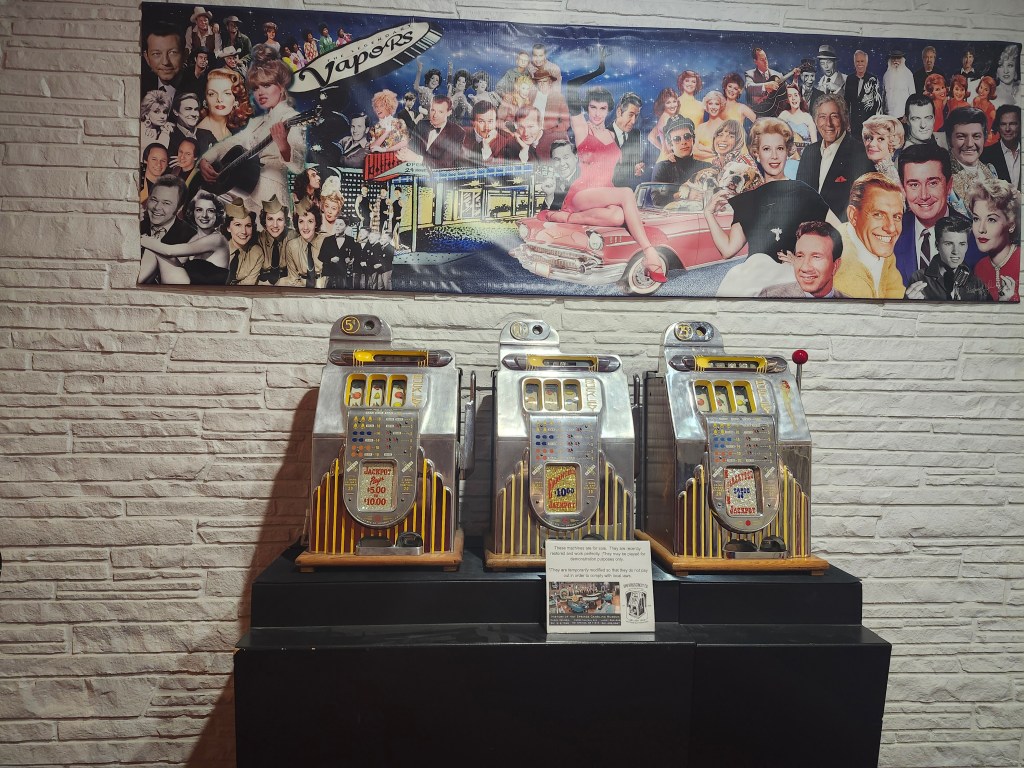
Inside, there were multiple spaces all working at once: a restaurant, a dance floor, and a casino that didn’t even open until later in the night. Big names like Tony Bennett and Frank Sinatra performed there, and for a while, it was the place to be.
At one point, according to Sloan, the venue had a reputation that stretched far beyond Arkansas.
But the real story of The Vapors isn’t just about who performed there. It’s about everything happening behind the scenes. Illegal gambling, connections to organized crime, and even a bombing in 1963 that literally exposed the casino to the street. Standing near the area where it happened, Sloan explained, “A bomb went off in 1963. That was the aftermath.”
The gambling history didn’t disappear quietly either. According to Sloan, one person he spoke with remembered when officials came in and removed the casino equipment.
Now, the goal is to bring some of that energy back without pretending the past never happened. Sloan said, “I love this building. I love this venue. I love the history of this.” That feeling shows in the way the current team talks about the space. They aren’t just trying to use the building, they are trying to revive it. “I want to see this venue succeed. I want to see this venue grow,” he said. “So I put my time, my efforts, everything into it.”
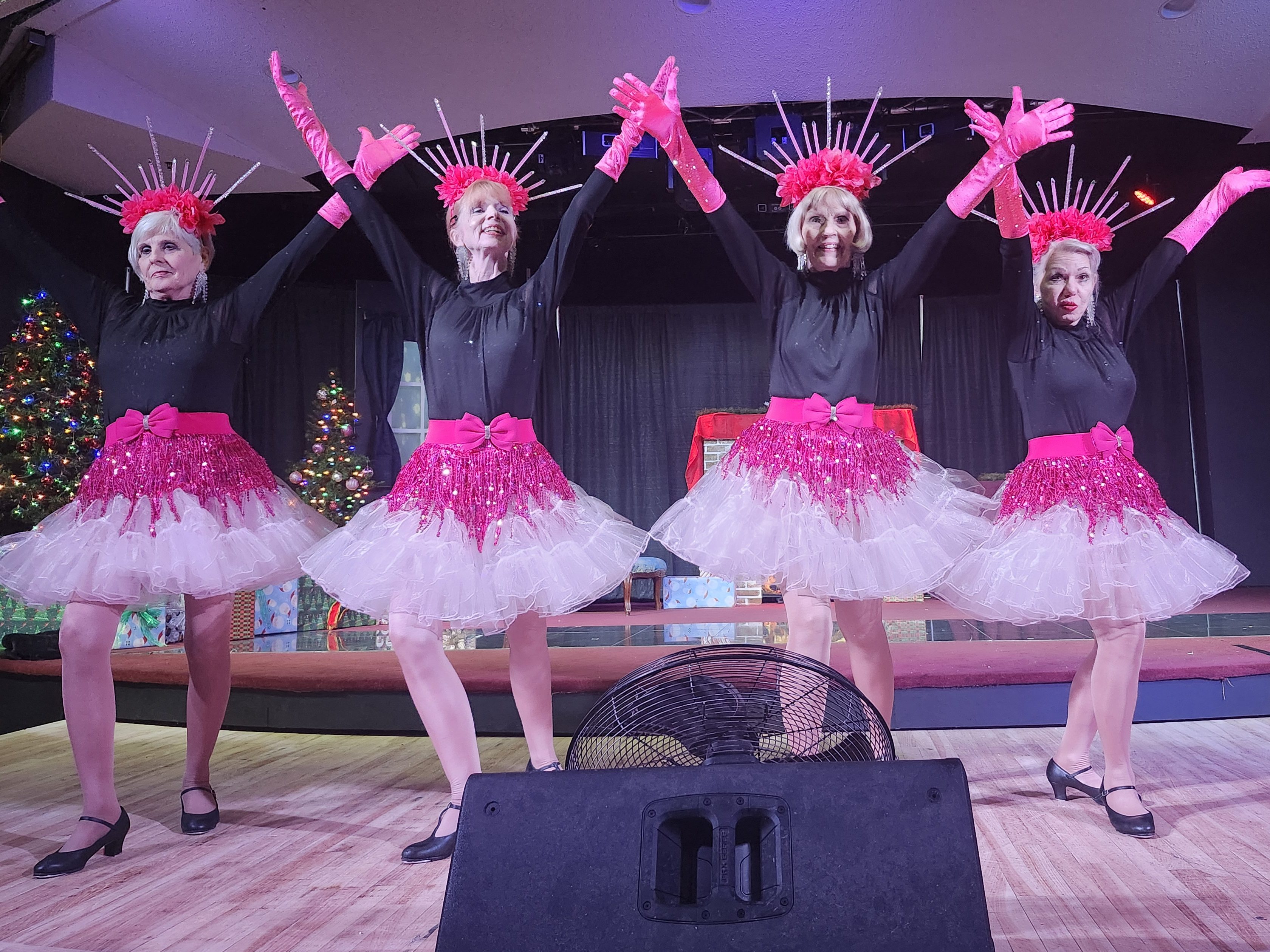
That effort also shows up in the way the space is being updated. “We have a half $1 million sound system in here… we have $4 million worth of lights that we’ve installed recently,” Sloan said, explaining how the venue is trying to match its history with modern production quality.
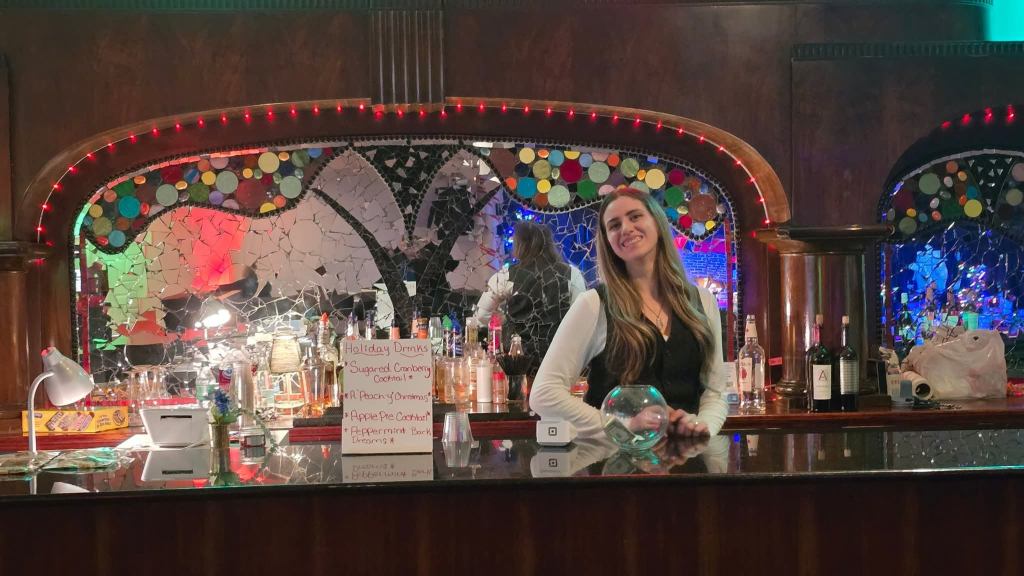
That mix of past and present is what makes The Vapors stand out. It still has pieces of its old life, like its classic bar, but the stories to the objects somehow made their way back. According to Sloan, Jerry Van Dyke bought the bar for a sentimental reason.
Not every Arkansas theater started with that kind of intensity. Some started much smaller, like Pocket Community Theatre. In the early 90s, it wasn’t even a building. It was a tent. A small group of people just wanted to put on a show, and that was enough to get things going. From there, it slowly grew, moving from a temporary storefront to a larger space, and eventually into what used to be an elementary school.
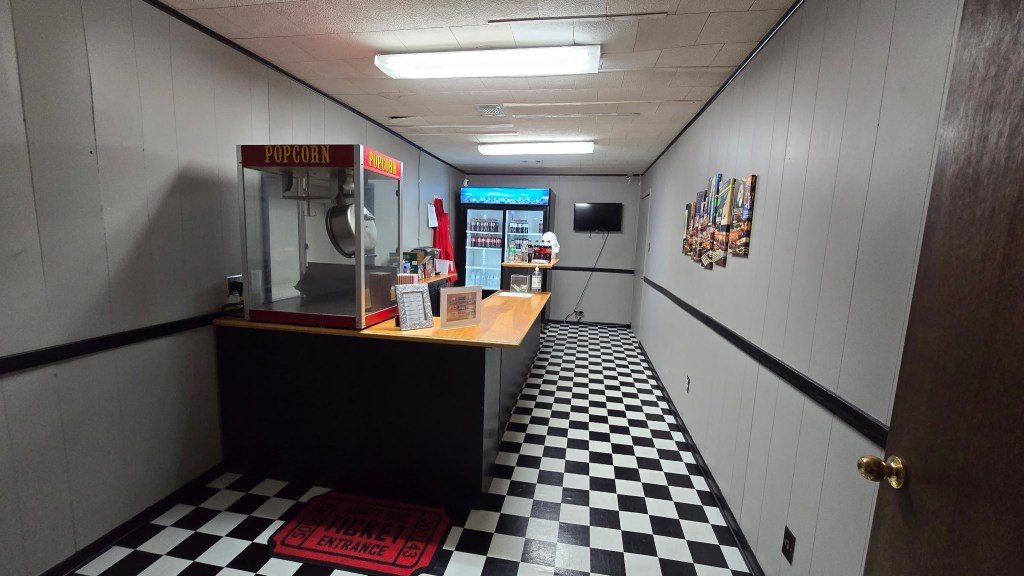
That part actually says a lot about what the theater is now. It still feels like a place built by the community rather than for it. Volunteers run everything, from acting to building sets, and the goal isn’t just to put on performances but to give people a space to learn and be part of something.
At the center of that is Jodi Tooke, someone who has helped shape the Pocket through multiple roles over the years. She has served as Secretary, stepped in as interim Executive Director, and continues to direct productions while staying closely connected to the theater’s day-to-day work. A U.S. Air Force retiree who moved to Hot Springs in 2014, Tooke describes her time in theater as a kind of “midlife renaissance,” something that gave her both a creative outlet and a deeper connection to the community.
That perspective shows up in how she talks about the space. “It’s really a place where people can come in and try something they’ve never done before,” Tooke said. “Whether that’s acting or building a set or working lights, there’s always something new to learn.” For her, the theater isn’t just about the performance, it’s about access and opportunity.
She also sees it as a space that creates room for growth, especially for people who might not otherwise have it. “It becomes a place for women to learn trades and skills that they might not have been exposed to before,” she said. That idea is reflected in the way the Pocket operates, where volunteers take on roles both onstage and behind the scenes.
Even as leadership shifts, Tooke’s role hasn’t really been about stepping away. It’s more about continuing to support what the theater has always been. “We’re all still here working together,” she said. “It’s not about one person running everything. It’s about making sure the theater keeps going.”
The leadership shift to Dan Breshears feels like a continuation of that same idea. He’s someone who has already done a little bit of everything at the theater, acting, directing, and building sets, so stepping into the executive director role isn’t about changing direction. It’s more about building on what’s already there and trying to grow it into something that reaches beyond just Hot Springs.
Then there’s The Royal Theatre, which feels like a bridge between old and new. It originally opened as a movie theater back when “talkies” were still a big deal, and you can still see that history in the building. The marquee, the structure, even the layout, all of it points back to a different era of entertainment.
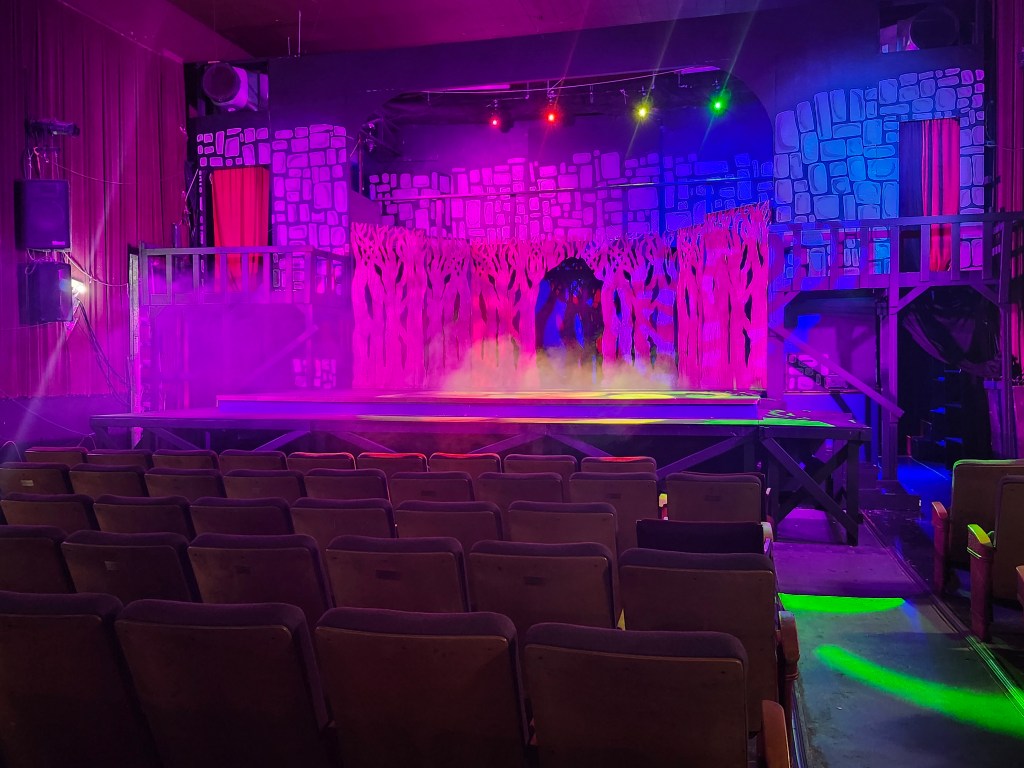
Over time, it shifted from film to live performance, especially after a local theater group took over the space. Now it’s home to a steady stream of productions, including a strong youth program that has grown a lot over the years. What’s interesting about The Royal is how it’s still evolving. There are ongoing plans to update the space, but they’re careful about what they change. The goal isn’t to erase the past, it’s to work with it.
A similar balance shows up at The Lyric Theater. Like The Royal, it started as a movie theater, but it has gradually adapted into a performance space that works for both plays and concerts.
What makes it stand out is how intimate it feels. The seating is close to the stage, and even the balcony isn’t that far removed, so performances feel more immediate. The design itself kind of sits in between styles. It has elements of a traditional proscenium stage, but it also brings the audience in closer than you’d expect. That mix actually works in its favor. It gives productions some flexibility while still keeping that sense of connection between the actors and the audience.
Looking at all four of these spaces together, it’s clear that Arkansas theater isn’t defined by just one kind of experience. You have places like The Vapors, where the story is tied to a very specific moment in history, full of energy and controversy. As Sloan put it, “The building itself is a great story.” Then you have community-driven spaces like Pocket, where the focus is on growth and participation. And then there are theaters like The Royal and The Lyric, which sit somewhere in between preserving history while still actively being used.
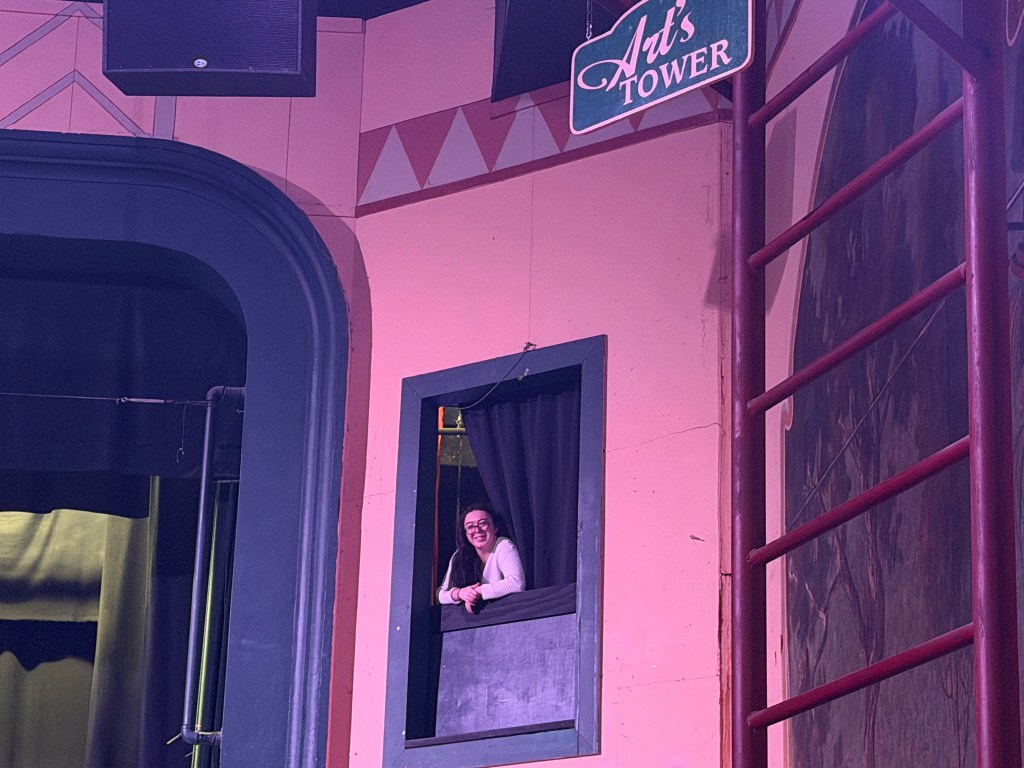
What they all share is a sense of identity that goes beyond the stage. These aren’t blank spaces where performances just happen. They’re places shaped by the people who built them, used them, and kept them going. And in a lot of ways, that’s what makes them worth paying attention to. The shows might change, but the stories built into the walls don’t.


Leave a Reply